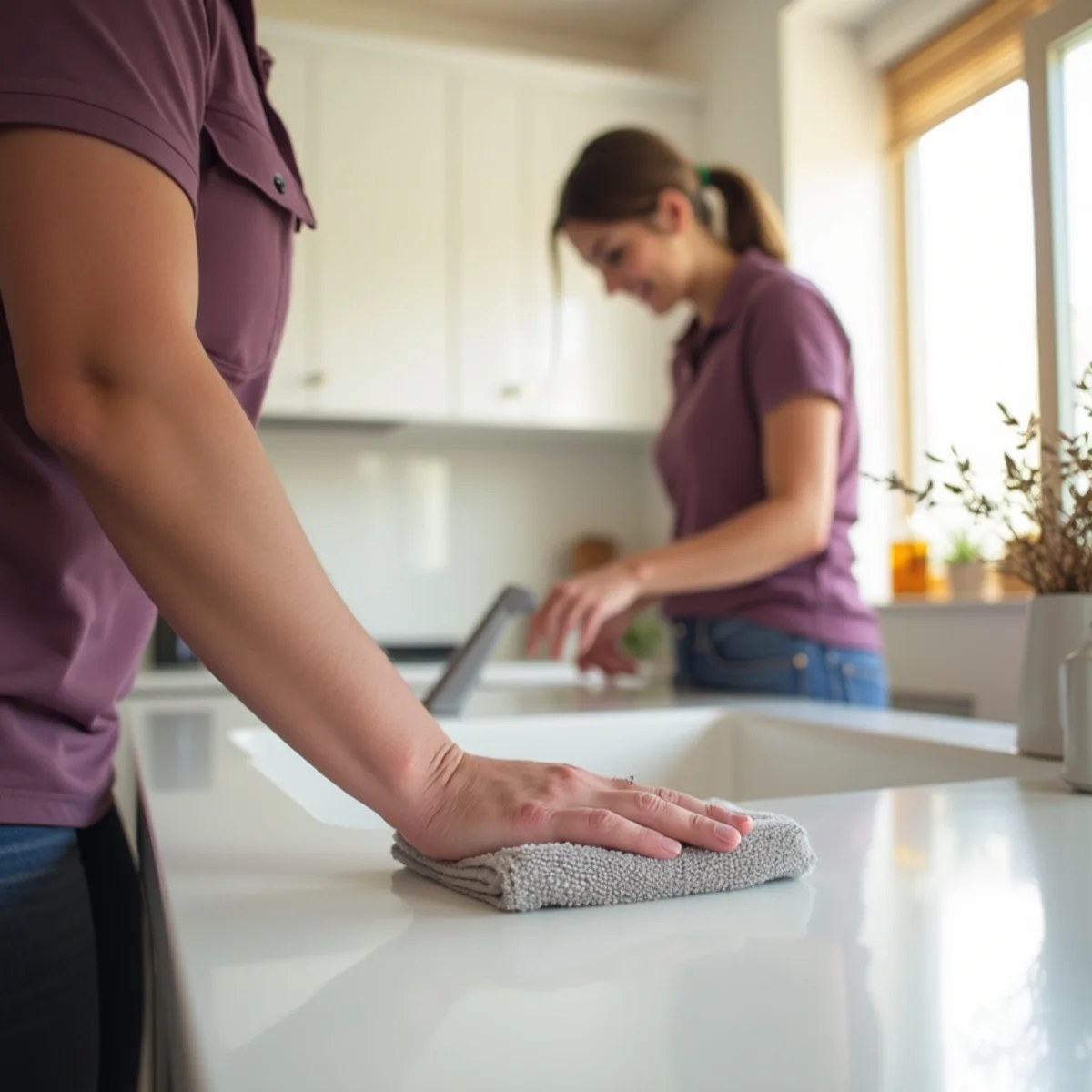
Interior Window Cleaning: When to Schedule It
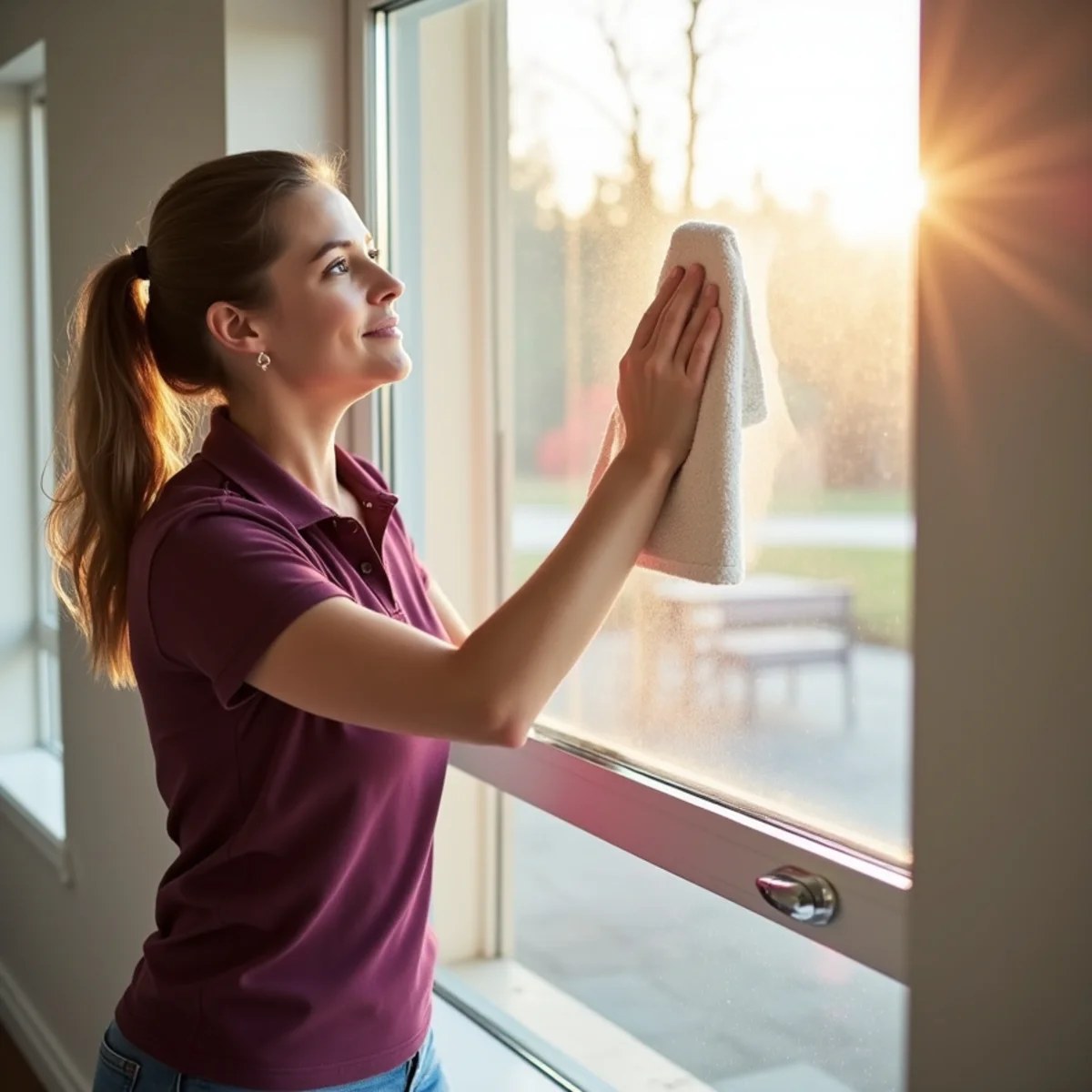
There's a moment most Idaho homeowners know well: the afternoon sun swings low, hits the glass, and suddenly every window in the house looks filthy. Dust, fingerprints, pet nose smudges, a fine haze you never noticed until the light caught it just right. Clean interior windows fix all of that in an afternoon, and few things make a home feel brighter, fresher, or more cared for.
But timing matters more than most people think. Clean your interior windows at the wrong point in the year and you'll be redoing them within weeks, because Idaho's seasons throw a lot at your glass — winter wood smoke, spring cottonwood and pollen, and the fine high-desert dust that settles on every sill in the Treasure Valley. Get the timing right and the same clean holds far longer.
This guide walks through the best times to schedule interior window cleaning through the year, why the sills and tracks matter as much as the glass, the signs your windows are overdue, and how window work pairs with a deep clean or a move. If you'd rather hand it off, we're a chemical-free cleaning company based in Meridian, and you can reach us at +1 877-754-5614.
In this article
The Best Time of Year to Clean Interior Windows in Idaho
The short answer most pros give is twice a year — once in spring and once in fall — with spring being the single most valuable clean if you only do one. That holds true in Idaho, but our seasons give it a local twist worth understanding, because the mess on your glass changes with the calendar.
Spring is the priority because winter leaves the heaviest film. Months of closed windows, forced-air heat, and wood-burning season deposit a fine, greasy haze on the inside of the glass, while snowmelt and road grit work on the outside. Clearing that film in spring resets your windows before the growing season starts. A fall clean then removes a summer's worth of dust and pollen and sets the glass up to carry as much light as possible through Idaho's short, dark winter days.
The pollen calendar is the part people miss. In the Treasure Valley, tree pollen — cottonwood, juniper, and elm — peaks through spring, grass pollen dominates summer, and sagebrush and ragweed take over into fall. That yellow-green film rides in on the breeze and settles on sills and glass every time a window or door opens. Timing your interior clean around those waves, rather than in the middle of one, keeps the results looking sharp instead of dusted over within days.
- Early spring — the most valuable clean of the year, clearing winter's heating and wood-smoke film before the season starts.
- Late spring, after cottonwood — once the worst of the cottonwood and tree pollen has passed, so a fresh clean actually holds.
- Early fall — removes a summer of dust and pollen and maximizes light heading into short winter days.
- Before winter sets in — clean glass lets in every bit of low winter sun, which makes a real difference to how a room feels.
Clean Before Events, Not After
Beyond the seasonal rhythm, the other great trigger is a date on the calendar. If you're hosting Thanksgiving, throwing a summer party, taking listing photos, or having family in from out of town, clean interior windows are one of those quiet details that make a whole room read as cared-for — even when guests can't say exactly why.
The key is to schedule the clean a few days ahead, not the morning of. That gives you a buffer to catch anything that got missed in good light, and it keeps the pressure off. Interior glass also stays cleaner than exterior glass between cleans, so a clean done the week before an event will still look great on the day.
Why Sills and Tracks Matter as Much as the Glass
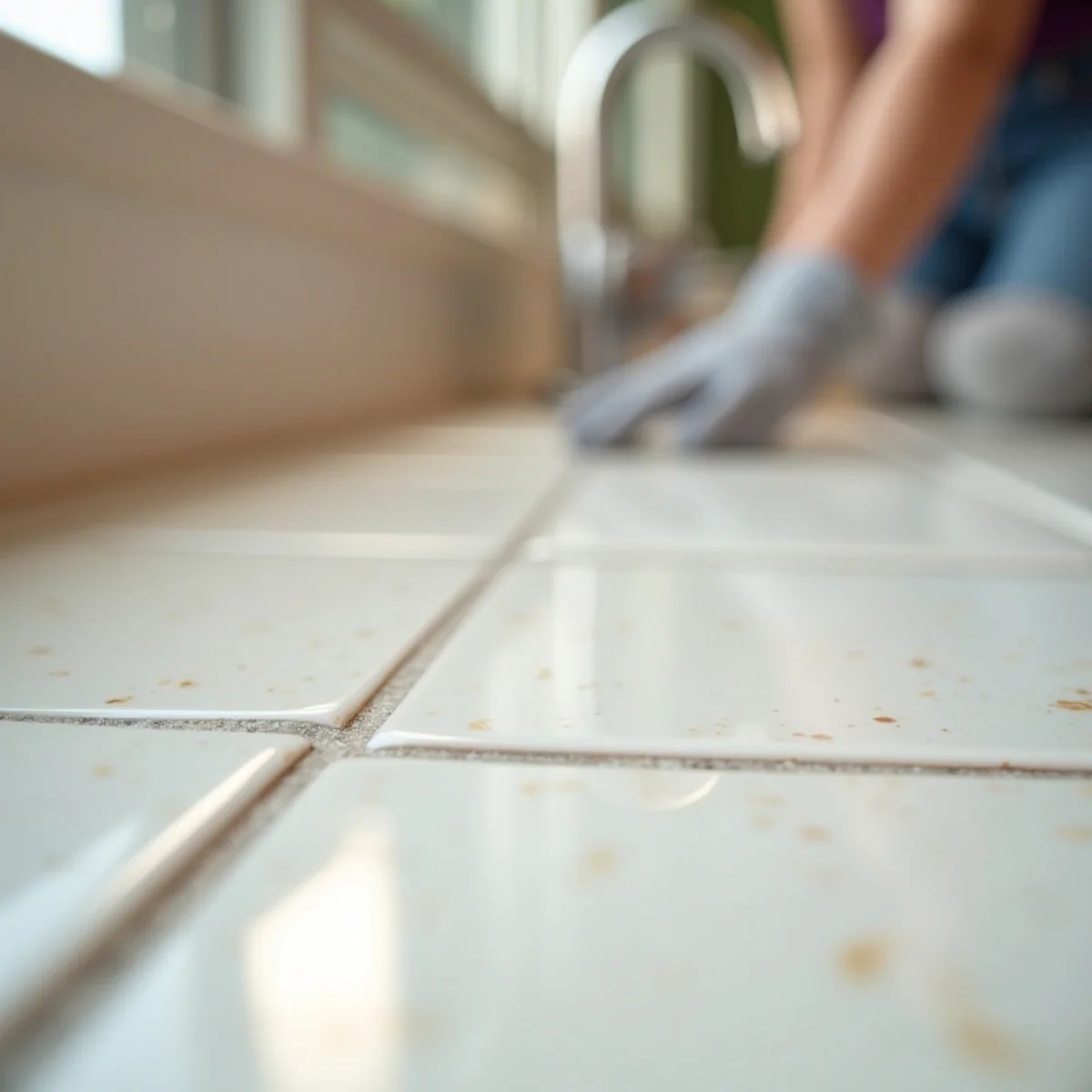
Most people think of window cleaning as the glass, but the sills and tracks are where the real grime hides — and in Idaho, they fill up fast. The tracks at the bottom of a sliding or double-hung window are a catch-basin for everything: fine high-desert dust, pollen, dead bugs, pet hair, and the grit that blows in every time the window is cracked. Left alone, that debris turns to a packed, gritty sludge, especially where a little moisture gets in.
It's not just about looks. A clogged track keeps a window from sealing and sliding properly, traps moisture that can lead to mildew along the frame, and holds allergens right at the level you breathe when the window's open. A genuine interior window clean means the glass, the frame, the sill, and the track — not just a quick pass over the pane. That's the difference between a window that looks clean from across the room and one that's actually clean up close.
- Tracks — vacuumed out first, then wiped, so grit doesn't scratch the glass or jam the window.
- Sills — the ledge collects the most visible dust and pollen, and it's the part guests notice up close.
- Frames and edges — where haze and fingerprints gather at the corners the squeegee misses.
- Glass — done last, so nothing from the frame or track ends up back on a clean pane.
Signs Your Interior Windows Are Overdue
Windows rarely announce themselves — the film builds so gradually that you stop seeing it. Then the light shifts and it's obvious. If you're not sure whether it's time, a few clear signs tell you the glass is past due for attention.
In an Idaho home, dust and pollen are the usual culprits, but pets, cooking, and forced-air heat all add to it. If more than one of these sounds familiar, it's time.
- A haze in low sun — the film that only shows when the afternoon light hits the glass sideways.
- Visible dust on the sills and tracks — if the ledge looks dusty, the glass carries the same film.
- Nose prints and paw smudges — pet marks at the bottom of the glass and handprints near the doors.
- A dull, flat feeling to the room — clean glass carries noticeably more light, so a dim room can be a window problem.
- Pollen coating in spring — that yellow-green dusting on the sills is your cue the growing season has arrived.
- It's simply been a season or more — if you can't remember the last clean, you're due.
How Window Cleaning Pairs With a Deep Clean or a Move
Interior window cleaning is at its best as part of a bigger reset rather than a job on its own. When you book interior window cleaning alongside a full deep cleaning, the whole home lifts at once — dusted surfaces, clean baseboards, and bright glass all read together, and there's no jarring gap where the room is spotless but the windows still have that haze.
It matters even more during a move. An empty house shows every mark, and windows are one of the first things a landlord, buyer, or property manager checks. A move-out or move-in clean that includes the interior glass, sills, and tracks presents a home at its brightest — deposit-ready when you're leaving, genuinely fresh when you're arriving. New-construction homes across Meridian are a common case too, where fine drywall dust settles into every track long after the builder's clean.
Spring is when this pairing pays off most. A spring deep clean with the windows folded in clears the whole winter layer in one visit — the film on the glass, the grit in the tracks, and the dust everywhere else — so the home starts the bright half of the year genuinely fresh.
Streak-Free Basics, Chemical-Free
You don't need blue ammonia spray or harsh chemicals to get glass genuinely clear — in fact, those products often leave a residue that attracts dust faster. Streak-free interior windows come down to technique, the right cloth, and a few simple habits, all of which work perfectly well chemical-free.
The single biggest mistake is cleaning glass in direct sunlight. When the sun's on the window, the solution flashes dry before you can wipe it, locking in streaks. Work on the shaded side of the house, or clean on an overcast day, and half the battle is already won.
As a chemical-free company, this is exactly the kind of job that proves you don't need fumes to get a great result. A little warm water, a touch of mild soap, a good microfiber cloth, and the right timing beat any specialty spray — with nothing your family then breathes in off the glass.
- Skip the sunny side — clean shaded glass so the solution doesn't dry before you wipe it.
- Use microfiber, not paper towels — paper leaves lint and fibers behind; a quality microfiber cloth doesn't.
- Clear the track and sill first — vacuum the grit before you touch the glass so nothing scratches it.
- Wipe top to bottom — work with gravity so drips land on glass you haven't finished yet.
- Finish with a dry buff — a second, dry cloth removes the last of the moisture and the last of the streaks.
Want it done for you?
Chemical-free house cleaning across Idaho. Free quotes, no obligation.