Why Hard Water Spots Are So Common in Idaho Bathrooms
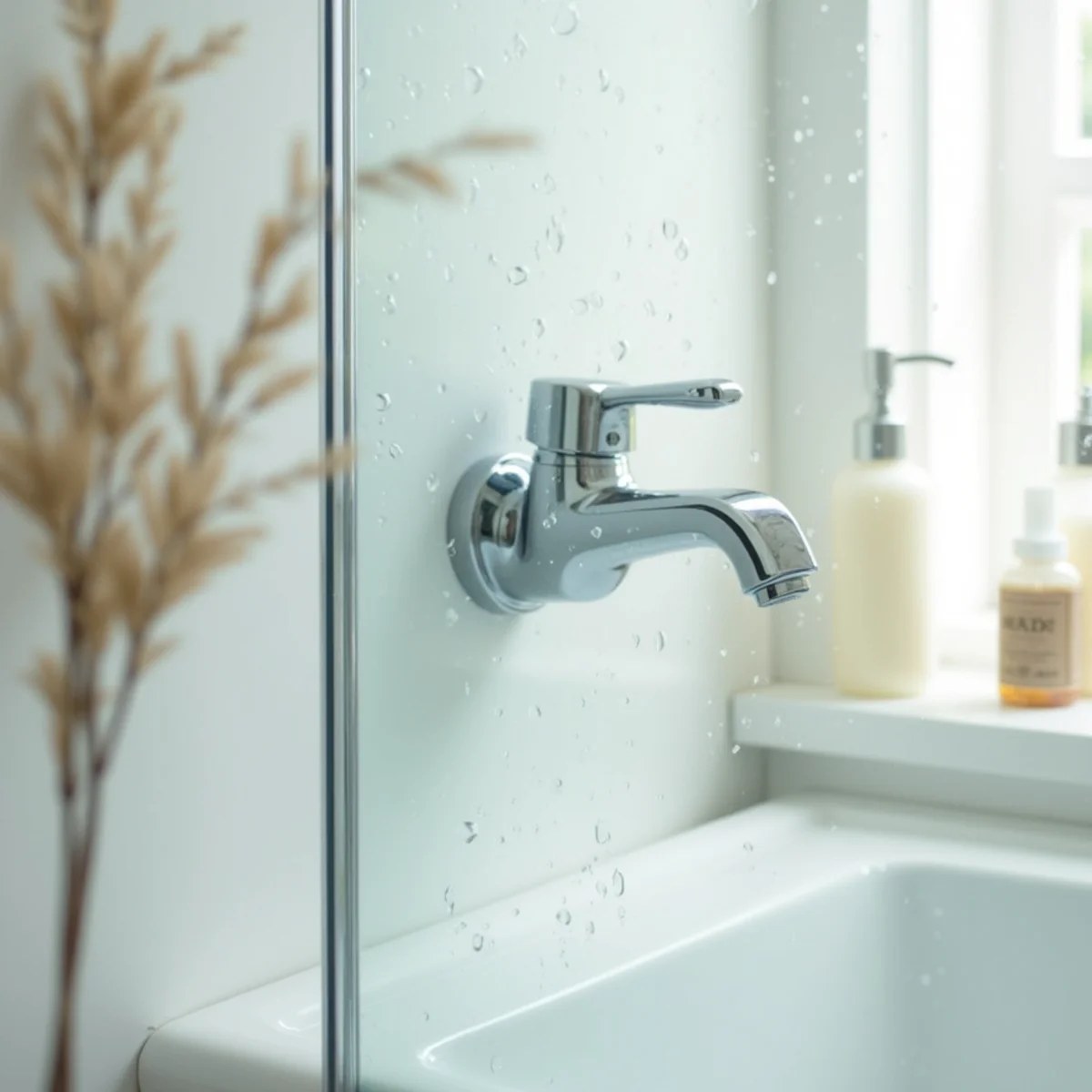
You squeegee the shower door, wipe down the faucet, and it still looks foggy. That chalky film isn't dirt, and it isn't a sign you skipped a step. It's mineral, left behind by Idaho's famously hard water — and it's one of the most common complaints we hear in bathrooms across the Treasure Valley and beyond.
Here in Idaho, almost all of our tap water comes from groundwater that has spent years moving through basalt and limestone. Along the way it picks up dissolved calcium and magnesium, and those are the exact minerals that dry into the cloudy spots on your glass, the white crust around your faucet, and the ring at your waterline. Understanding that changes how you clean it — because you're not fighting grime, you're dissolving stone.
This guide covers why Idaho water is so hard, where those spots form, why your regular spray keeps losing the fight, and how to remove and prevent them without harsh chemicals. If you'd rather hand the whole thing off, we're a chemical-free cleaning company based in Meridian, and you can reach us at +1 877-754-5614.
In this article
Why Idaho Water Is So Hard
Water hardness is simply a measure of how much dissolved calcium and magnesium your water carries. Around 95% of Idaho's municipal water comes from underground aquifers, and as that groundwater travels through the state's basalt and limestone formations, it dissolves those minerals and carries them straight to your tap. The longer water sits in contact with that rock, the more mineral it holds.
The result is some genuinely hard water. Most of Idaho falls between 10 and 25 grains per gallon, which the Water Quality Association classifies as very hard to extremely hard. Across the Treasure Valley, readings commonly run in the 8 to 15 grain range depending on your neighborhood and source. Every gallon carries enough dissolved mineral to leave a mark once it dries.
That's the key thing to understand: the spots aren't in the water while it's running. They appear when water evaporates off a surface and leaves the minerals behind as a solid deposit. Warm, wet, frequently-used spots like showers and sinks are where evaporation happens fastest, which is exactly why bathrooms take the worst of it.
Where Hard Water Spots Show Up First
Once you know minerals are left behind wherever water dries, you can predict exactly where spots collect. In most Idaho bathrooms, the same handful of surfaces show it first, and they get progressively harder to clean the longer the buildup sits.
- Shower glass and doors — the classic cloudy haze, because glass gets sprayed constantly and dries between uses.
- Faucets and fixtures — chrome and brushed nickel show a white, crusty scale around the base and spout.
- Sinks and basins — spots and a dull film where standing water evaporates.
- Toilets — a stubborn ring at the waterline where minerals concentrate.
- Tile and grout — a chalky haze on tile and a rough, discolored buildup in the grout lines that traps soap and grime.
- Shower heads — mineral clogs the nozzles, which weakens water pressure over time.
Why Standard Cleaners Keep Losing
Here's the part that frustrates most people: they scrub harder, buy a stronger spray, and the haze still comes back. The reason is chemistry. Most everyday bathroom cleaners are neutral or alkaline, and they're built to lift grease and dirt. Hard water deposits are mineral, and minerals are alkaline too — so an alkaline cleaner has nothing to react with. It wipes the surface, looks clean for a day, and the cloudiness returns.
It gets more tangled in the shower, because hard water creates a second problem. When soap meets calcium and magnesium, it forms soap scum — an insoluble film that bonds to glass and tile and hardens over time. So you're often dealing with two layers at once: mineral scale and soap scum, both of which shrug off a general-purpose cleaner. Bleach doesn't help either; it can whiten the look but it doesn't dissolve the deposit.
What actually breaks mineral buildup down is mild acid. An acid reacts with the calcium and magnesium, binds to it, and loosens the bond holding the deposit to the surface — so it dissolves away instead of just being pushed around. That's why a splash of vinegar does more than an hour of scrubbing with the wrong product. The trick is using the acid correctly and safely, which is where most DIY attempts go sideways.
How to Remove Hard Water Spots Safely
You don't need harsh chemicals to beat hard water — you need a mild acid, a little patience, and the right surface. White vinegar is the workhorse for most bathroom jobs, and everything below is safe for a home with kids and pets.
The most important rule is to let the acid sit. Mineral deposits need contact time to dissolve, so a quick spray-and-wipe won't cut it. Give it time to do the chemical work, then the scrubbing becomes easy. Here's how to handle each surface:
One firm caution before you start: never use vinegar or any acid on granite, marble, or other natural stone. Acid etches stone permanently, leaving a dull mark you can't scrub out. Stone vanities and stone-tiled showers need a pH-neutral, stone-safe approach instead — when in doubt, leave those surfaces to a pro who knows the difference.
- Shower glass: Spray with a 50/50 mix of white vinegar and water, let it sit 10 to 15 minutes, then wipe, rinse, and dry with a microfiber cloth.
- Faucets and fixtures: Wrap them in a vinegar-soaked cloth or paper towel for 15 to 30 minutes, then scrub gently with a soft brush or old toothbrush and rinse.
- Shower heads: Fasten a bag of vinegar around the head so the nozzles stay submerged for several hours, then run the water to flush the loosened mineral out.
- Tile and grout: Vinegar works on tile haze, but heavy grout buildup often needs a proper tile and grout cleaning to reach the recessed lines and restore the color.
- Always dry afterward: the final buff with a dry cloth removes the last of the mineral so the surface stays clear.
How to Prevent Spots From Coming Back
Removal is only half the battle. Because Idaho water will keep depositing minerals every time a surface dries, the real win is slowing that buildup down so you rarely have to do a hard scrub again. A few small habits make an outsized difference.
None of this has to fall entirely on you, either. A deep cleaning resets the bathroom by stripping the mineral and soap scum that have built up over months, and a recurring visit keeps it from ever getting that far again. Most Idaho homes we work with are far easier to keep clear once that first heavy layer is gone. Between visits, these habits hold the line:
- Keep a squeegee in the shower and run it down the glass after each use — 20 seconds beats a 20-minute scrub later.
- Wipe faucets and sinks dry after washing up, so water never gets the chance to evaporate and leave mineral behind.
- Do a weekly vinegar pass on glass and fixtures to catch light buildup before it hardens.
- Improve airflow with the fan or a cracked window so surfaces dry faster and stay drier.
- Consider a water softener if buildup is relentless across your whole home — it removes the calcium and magnesium at the source and protects fixtures and appliances too.
Our Chemical-Free Approach to Hard Water
Sophisticated Cleaners is a chemical-free house cleaning company, and hard water is one of the best arguments for why that works. You don't need caustic fumes to break down mineral deposits — you need the right mild-acid approach, the right dwell time, and the technique to know which surface takes which treatment. The before-and-after on cloudy shower glass is real, and we get it without filling your bathroom with harsh chemicals your family then breathes in.
We treat hard water build-up as a standard part of the clean, not a surprise add-on. That means the shower glass, the faucets, the sink, and the waterline all get handled, with tile and grout addressed where the buildup runs deeper. Because we clean across Meridian, Boise, Nampa, and down to Twin Falls, we know exactly what the local water does to a bathroom and how to get ahead of it.
If your glass has gone cloudy no matter what you spray on it, that's mineral, not a lost cause. Call +1 877-754-5614 or request a free quote, and we'll get your bathroom genuinely clear — chemical-free.
Want it done for you?
Chemical-free house cleaning across Idaho. Free quotes, no obligation.